5 Myths About Homeschooling.

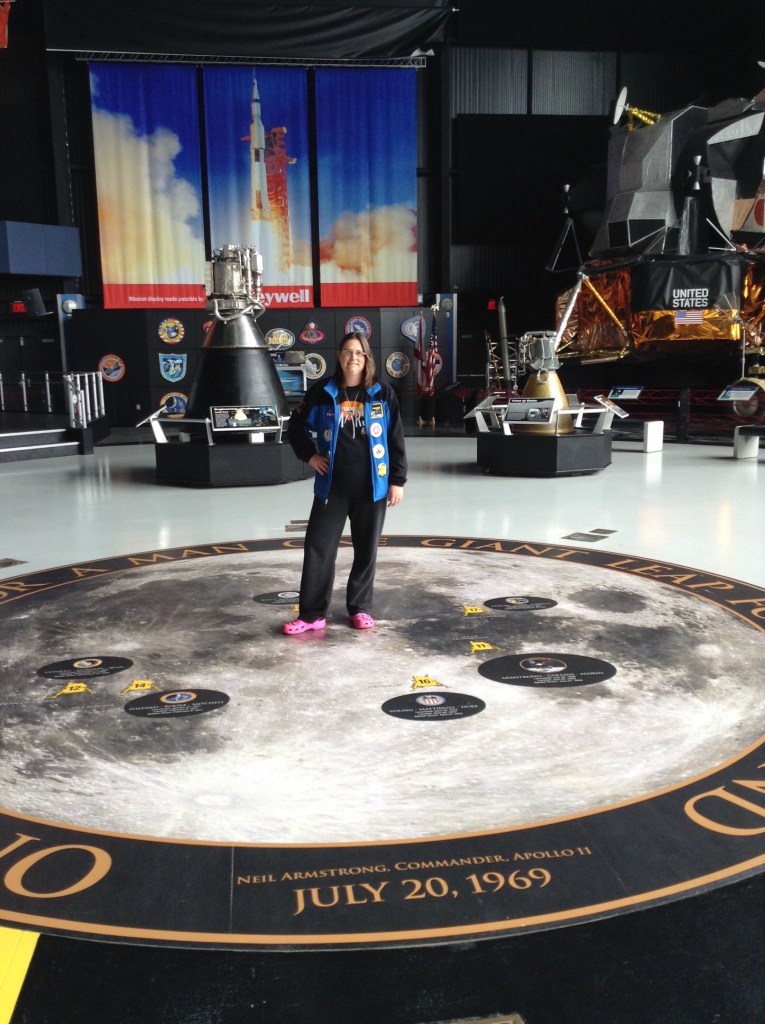
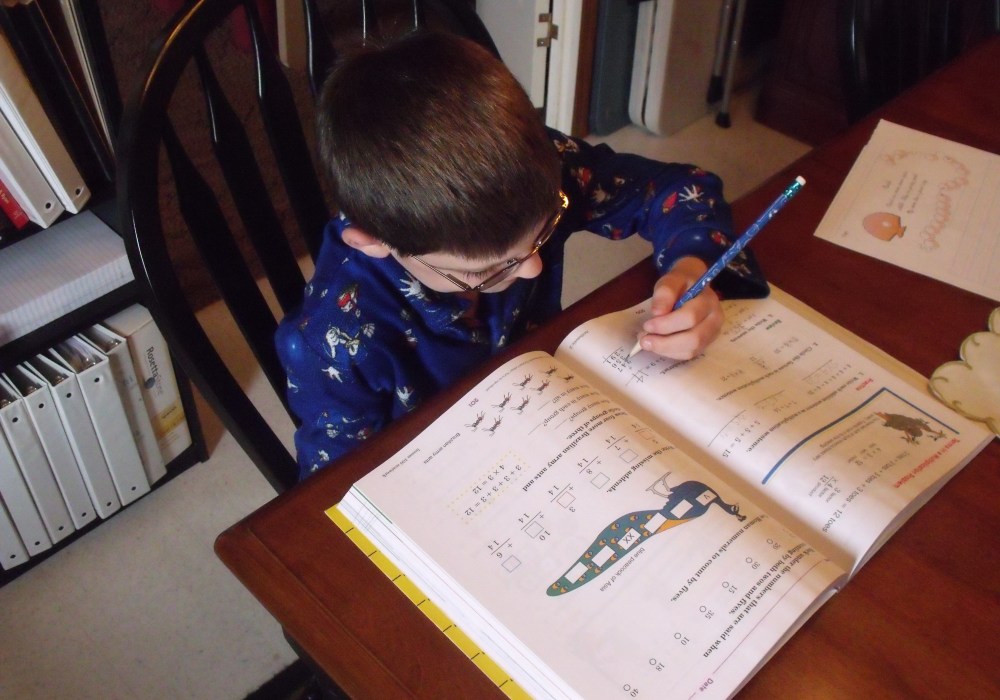
My students completing a consumer mathematics assignment.

In this post, I will separate myths from facts regarding homeschooling. Like other topics within academic spheres, homeschooling is rife with false information, which leads to misinformation, harmful stereotypes, and stigmas. When remote learning became mandatory during the COVID-19 pandemic, homeschooling experienced a Renaissance, as homeschooling families received admiration for success in educating students at home. However, as remote learning has been stigmatized due to the effects on the students, homeschooling again suffers from these stereotypes. Homeschooling is not for everyone; it’s an academic path chosen on behalf of the parents after much contemplation and intent.

Myth 1. Homeschool Students Are Not Properly Socialized:

The subject of socialization is the most common stereotype associated with homeschooling. Homeschool students have more opportunities for socialization due to flexible schedules. Additionally, many students are members of homeschool co-ops, which offer socialization events such as prom, family events, and graduation ceremonies like their public school counterparts.

Unlike public school students who are socialized horizontally, homeschool students are socialized vertically. The homeschool environment allows students to relate to students older and younger than themselves, forming social bonds generally not accounted for in the public school setting. My students can relate to adults and students in lower grades, preparing them for the adult world and the relationships they will encounter in the work environment.

People often comment on my student’s mature behavior and disposition in public. They recognize something different about them that sets them apart from other young adults their age. Structured verticle socialization allowed by homeschool education forms much of this polished behavior.

Don’t let this negative stereotype affect your decision to homeschool your students. Misinformation embodied by family members, friends, and significant others will see the positive benefits of verticle socialization.

Myth 2. Homeschool Students Don’t Have An Academic Schedule:

Academic complacency is another common misunderstanding about homeschooled families and students portrayed by public opinion. Homeschooling parents take academics very seriously and seek resources helping to lead their students to success. Public schools are not perfect institutions; mass education is not for every student. As parents, we can meet our students on their level and adapt subject material specifically to their learning styles. Reaching students where they are leads to academic success and paves the way for an education that will benefit them far into the future.
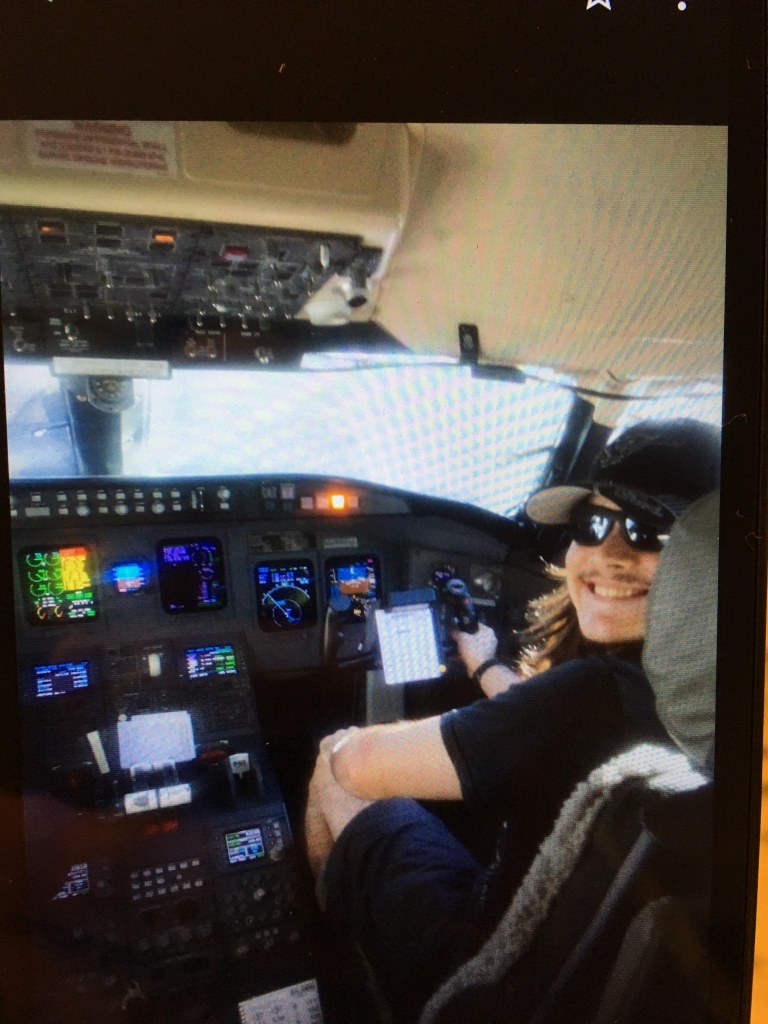
My oldest student sitting in the cockpit of a CRJ on our homeschool educational trip to Washington, D.C.

Our academic day was very structured; school began at 9:00 a.m. and ended by 3:00 p.m., Monday through Thursday. I reserved Friday for educational videos and nearby field trips. All subject material was completed during class time, eliminating the need for homework and allowing my students free time for the remainder of the day. Because there is less time wasted in homeschooling, our school day does not require the need for homework.

Myth 3. Homeschool Students Cannot Go To College:

Disqualification from higher education is one of the biggest myths about homeschool education. Not only are homeschooled students eligible to attend universities, they are independent learners and make better students. Accredited umbrella programs provide official high school diplomas accepted by major universities and academic programs, providing homeschooled students the same opportunities as public school students.
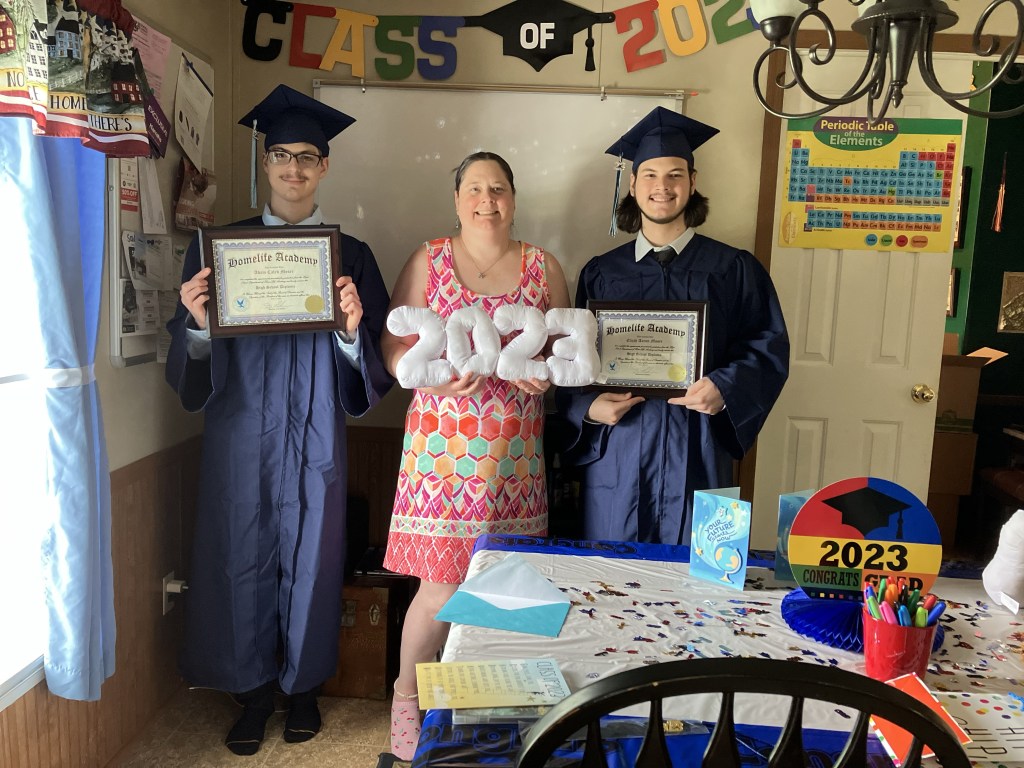
My student’s with their High School Diplomas.

Myth 4. Homeschooling Is Only For Religious Families:

Not true. The most common reason parents homeschool their children is the negative institutionalized environment of the public school setting. The desire for religious education is second, followed by individualized instruction tailored for the student. Surprisingly, many religions prefer secular homeschool curriculums and integrate their values into lessons when appropriate.

For example, we are a non-religious family and homeschool our children via a secular curriculum and programs. While many homeschool co-ops are faith-based, homeschooling is not just for religious families.

Myth 5. Homeschool Kids Cannot Play Sports Or Partifipate In Extracurricular Activities:

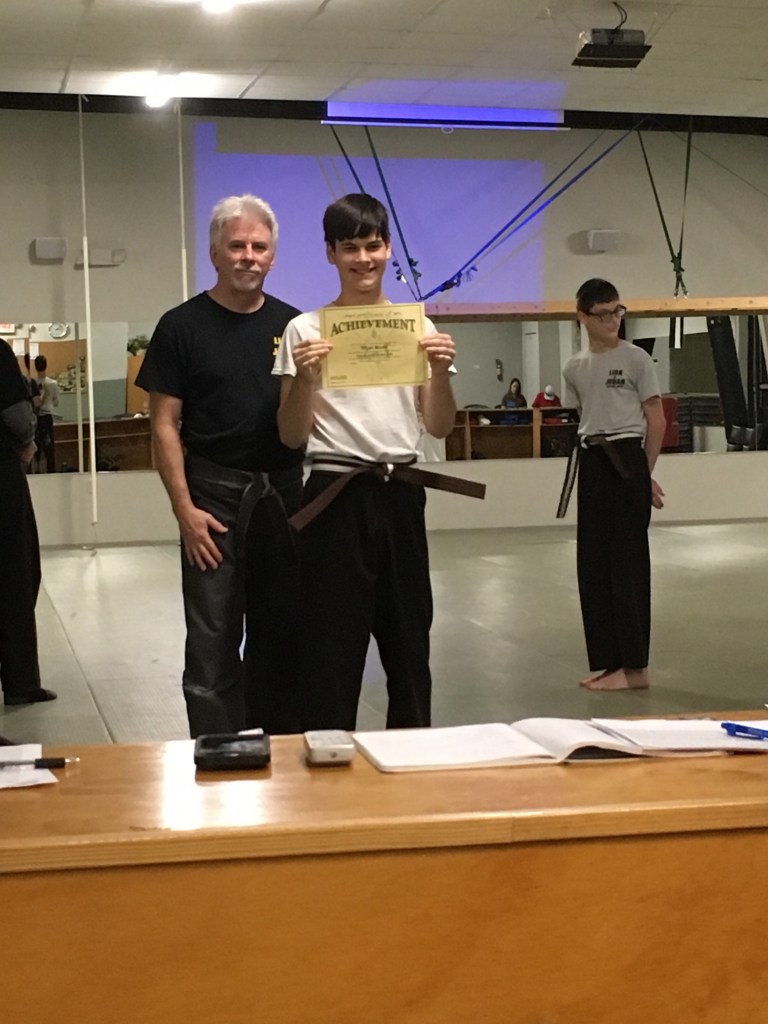
Many parents do not know that local school boards are required by law to allow homeschoolers to participate in public school sports, music programs, or other after-school activities. Additionally, many community programs welcome homeschoolers to play in recreational leagues, martial arts, and other community service projects. My students, who participate in Karate, currently hold a Brown Belt and will be promoted to Black Belt this fall.

Homeschooling is more than an education but a lifestyle. As a homeschooled family, we make education our focus in ways that are beyond the textbook. Errands and grocery shopping can be a teaching opportunity as we prepare our students for life. Anything can be a teaching opportunity; all you need to do is look and encourage a sense of wonder in your students.

In addition to being an accomplished homeschooling mom, I am a published author, multi-disciplinary writer, and website content creator. If you like this post, please visit my writing portfolio of work and other blogs.

The Works of Noelle K. Moser-Writing Portfolio

Coffee and Coelophysis – A blog about Dinosaurs!

The Kuntry Klucker – A blog about keeping backyard chickens.

~ Noelle K. Moser ~
What is Your Students Learning Style?

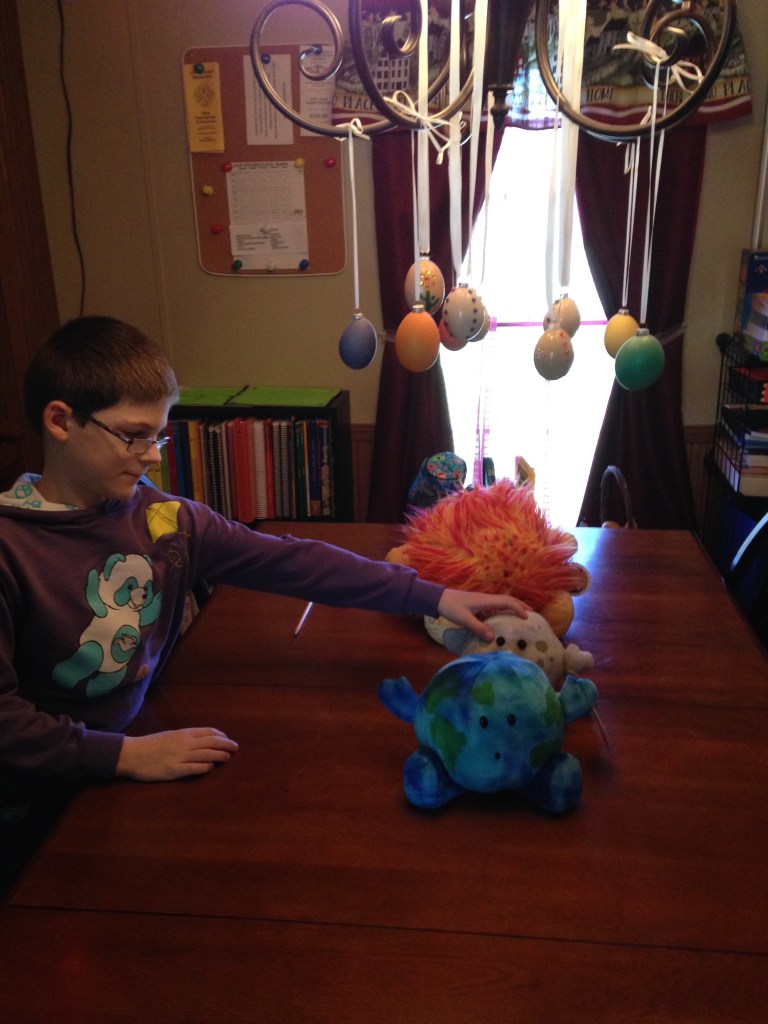
Teaching Kinesthetic learning through the use of visual aids. Our lesson, is the phases of the moon.

To successfully impart academic information to your students, determine their learning styles. The term learning style means that every student learns differently.

The Four Learning Styles (VARK)

There are four main learning styles, and which one your students adhere to will impact how they absorb, process, comprehend and retain information. These four styles are visual, auditory, read/write, and kinesthetic, known as VARK.

Students have different approaches to how they process information. A student’s preferred learning style has significant influences on behavior and learning.

A student’s learning model much match with learning strategies. Matching learning styles with the material will increase comprehension, motivation, and learning success.

Education and the Public Schools System

Education is not a one size fits all application, but this is how the public education system teaches. To teach a large class, academic material is delivered through visual and auditory means.

Students with learning styles other than visual/auditory will struggle with the learning process; institutionalized education fails to reach all students. For the students lucky enough to have these learning styles, that’s great; for others, it is a hard road to success.

I had to work very hard in school to get the grades to apply for college. When I went to college, I learned the truth about my learning style and that I was not learning disabled. Until then, I felt inferior there was something wrong with me. Once a child is labeled, it becomes their self-fulfilling philosophy. I do not want the same to happen to my kids.

Homeschooling and Learning Style Education:

As homeschool parents, we can match our student’s learning styles with class material. We can take the time to find out students learning preferences and apply curriculums accordingly. To successfully match learning style with curriculum, understanding VARK is crucial.

Overview of VARK

Visual learners: Visual learners prefer images, graphs, maps, and pictures to facilitate learning. These students will watch a video on the subject material rather than read the material. Visual learners are keen on imagery to process and comprehend information. Classes that facilitate the use of media and videos best reach these students. Visual learners appreciate textbooks and written material that incorporate several images and graphics to help them absorb information.

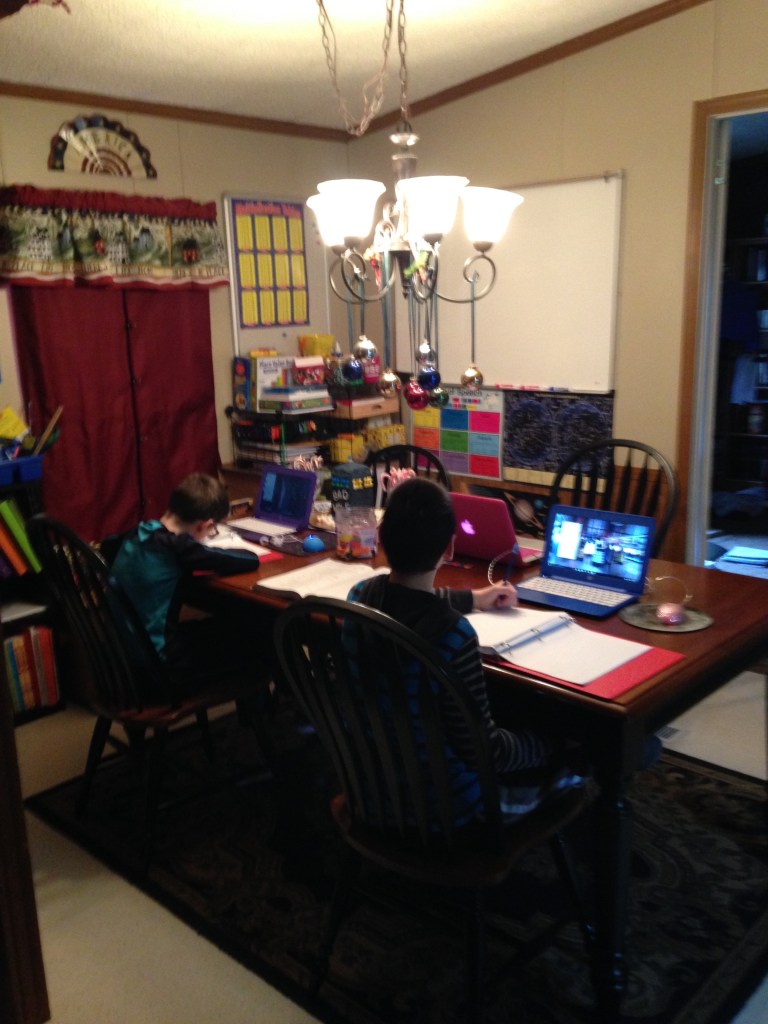
My students using laptops for a school lesson.

Auditory learners: Auditory learners understand information through listening and speaking such as lectures or discussions. Auditory learners retain information from lectures or recorded lessons well. The public school system caters to auditory learners. If your students are auditory learners, incorporate podcasts or media lectures in your homeschool curriculum to facilitate education.

Read/write learners: Read/write learners are copious note-takers. These students learn best through reading and writing information to facilitate learning. Read/write learners are avid readers and learn well from textbooks. Often read/writer learners are self-teachers as they can facilitate learning from reading. If your student is a read/write learner, curriculums with a lot of reading will appeal to this learning style.

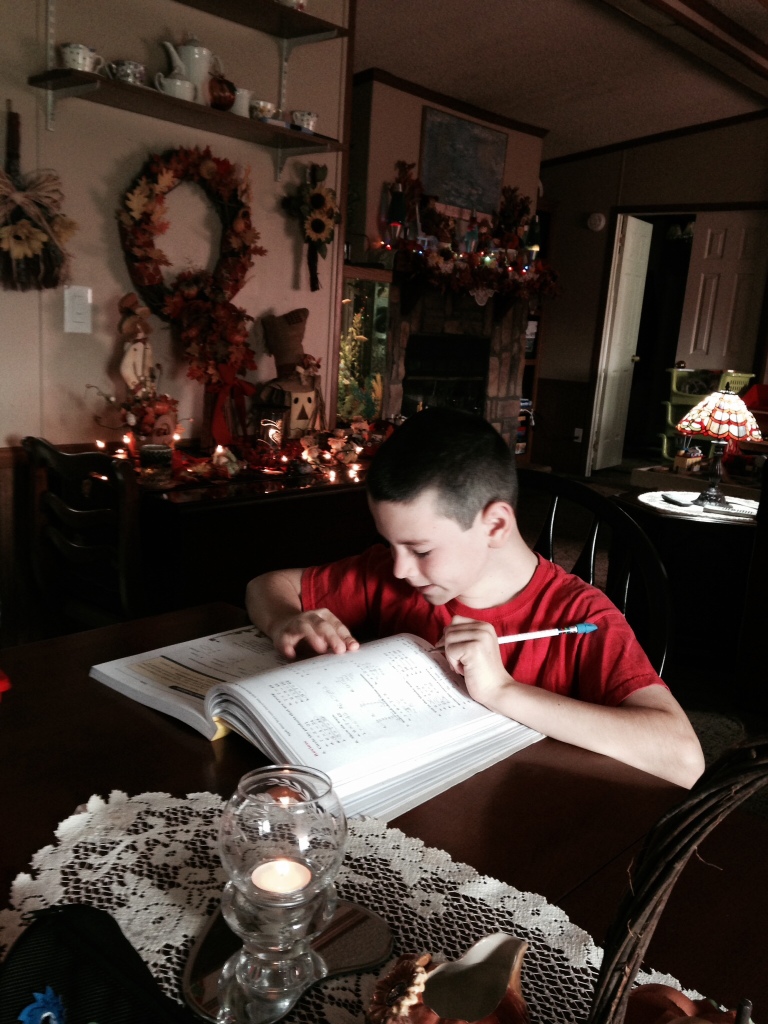
My read/write student reading his way through Walmart.

Kinesthetic Learners: Kinesthetic learners best understand information through tactile repetition and hands-on learning. These students process information best when they can manipulate what they are learning with their hands. Science subjects are often a favorite for this learning style due to the lab work that accompanies this subject. If your students are kinesthetic learners, curriculums that incorporate a hands-on approach to learning will appeal to these students. Curriculums that incorporate a Montessori perspective on education will appeal to these students.

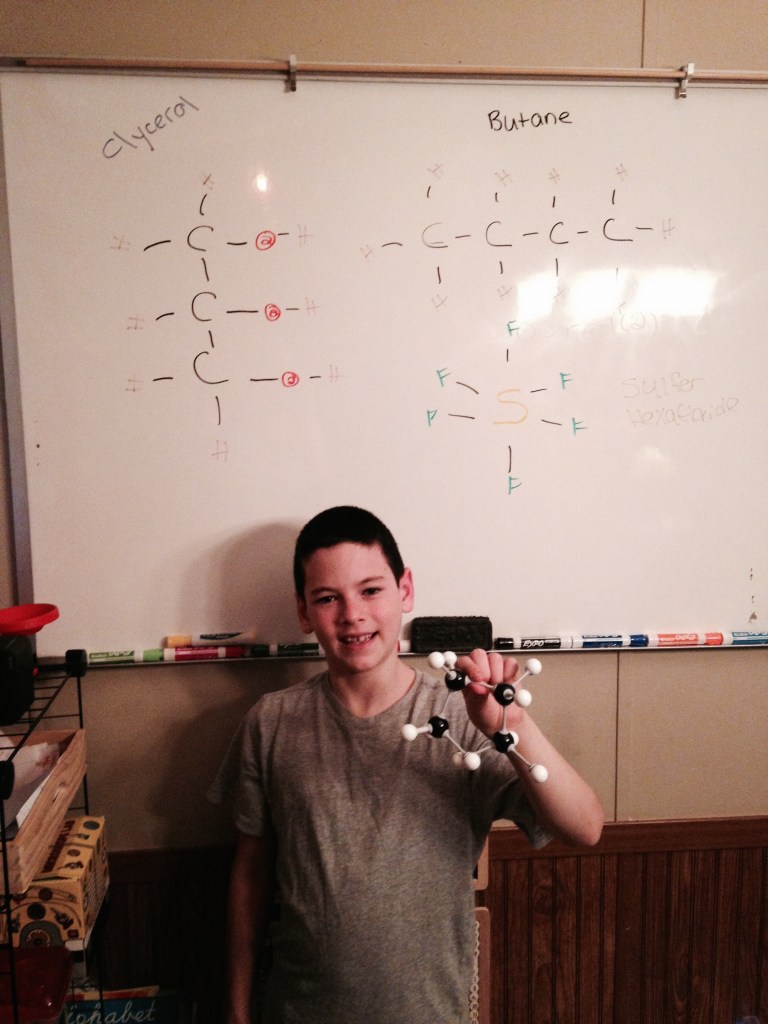
My Kinesthetic Learner using a moleucle manipulative to demostrate a chemical element.

How to find your students’ learnign style.

Understanding different approaches to learning are key to finding your students learning style. To find out how your child learns, observe them at play. As children grow and absorb information about the world, they embrace methods to facilitate this approach. Read/write children will be fascinated with books, visual learners find pictures appealing, kinesthetic children want to manipulate everything, and auditory children are drawn in by sounds. While all children are mesmerized by the TV, this is not the best way to find your child’s learning style.

Teaching with learning styles in mind.

Once you discover your students learning style, incorporate aspects in class material. For visual learners, choose a curriculum that utilizes a heavy video component. For auditory learners, curricula that incorporate podcasts or video lectures will appeal to these students. Read/write learners love to read. Textbooks, literature, and writing assignments will provide necessary education fulfillment. Kinesthetic learners love to manipulate things. Incorporate curricula that provide a manipulative kit or make your own. Curricula with a Montessori approach to learning will engage these students.

I am a published author, multi-disciplinary writer, and blogger. If you like this blog, please visit my writing portfolio.

The Works of Noelle Moser.

If you liked this post, tap the subscribe button.

~ Noelle Moser ~

Why Homeschool?

As parents, we face many important decisions in the lives of our children. One of the most crucial to their development and transition into adulthood is their education. Thankfully we live in a country where parents have options.

No one knows a child better than the parents. As parents, we are acquainted with our child’s personality, strengths, and weaknesses. Some children are natural mechanics others are natural scientists, writers, or actors. Parents want to harness and nurture these special abilities. There is no better way to help our children grow than through their education.

As parents, we have to make a very important decision on the educational path for our children. There are many paths available public school, private school, military school, boarding school, charter schools, and homeschool.

In this blog, I will detail my experience as a homeschooling parent. My students will be seniors next year. I have been down this path and hope to help others who are just starting their educational journey.

Let me start by sharing with you how my journey began. When my first son was born, I loved showing him things in the world around him. Things like colors, animals, objects, and reading. The delight I would see in his eyes when he made the connection was magnetic. I dreaded the day that I would have to send him to school, no longer sharing these learning experiences with him.

A year later, my second son was born. Although just as curious about the world around him, my second son did not care so much for repeating colors, animals, and objects. Rather he was independently drawn to letters, numbers, and books. He was a delayed speaker, not talking till about the age of 4. By the age of 3, he knew how to work a calculator, write letters, and read.

When I arranged to play dates, he was not interested in playing with other children or toys, he was happiest when he was reading. At one of his doctor appointments, I presented this to his physician. After visiting a few specialists, it was determined that he was Autistic, specifically Aspergers Syndrome. Although technically on the autistic spectrum, he was high functioning.

On cognitive tests and intellectual tests, he was off the charts for children his age. But on social assessments, he struggled. He was unable to “go with the flow” or able to adapt to a change of plans without a lengthy prior warning.

Intellectually he was labeled as “gifted” but socially he was unable to conform. Knowing the public schools in my area, this meant one thing. Special Education.

Being unable to conform to the mainstream schedule of a normal day, this would present problems. He was undoubtedly intellectually gifted but could not be placed with the mainstream students; intellectually detrimental.

As I began to look for options for his education, homeschooling began to appear on my radar. I assumed that my children would attend school like many other children.

I dug deeper into the possibility of homeschooling. While my children were still toddlers I did research. Fortunately, after spending many years at University pursuing several degrees, deep research was no stranger to me.

I spent several years researching. Finally, I derived an education path for my children. In my state of Tennessee, I have to inform my local school board that my children will be homeschooled. I only need to provide proof of attendance and meet the mandatory 180 days of instruction per school year. In some cases, an umbrella school will take upon this task, freeing me of the task of any contact with my local school board.

Deciding to homeschool my children, I began laying the groundwork early. While they were still 4 and 5, I began to make education a part of our daily schedule. I turned their play time into a time for teaching; counting, writing, coloring, and so forth. By the time I started kindergarten, they were working at a first-grade level.

Another decision I made was when to officially enroll my younger son in homeschooling. Before I made this decision, I sought the counsel of his doctor, speech therapist, and several homeschool counselors. The consensus determined that holding him back due to his age would be intellectually determental. This meant my boys would be in the same grade. I assumed that at some point they would naturally diverge when we encounter the harder math. But to my surprise, next year I will have two senior students. Both my students are working at a college level in several subject.

My departure into homeschooling was unconventional. I did not plan on educating my children at home. I was presented with circumstances requiring a different direction to education.

I have more homeschool days behind me than in front of me, I can honestly say it has been an honor to homeschool, my children. It has been a long road, one that yielded many memories and treasures. The most meaningful aspect is watching them learn. Without homeschool, I would have missed all these precious moments in their education.

Now that my homeschooling journey is nearing its end, I want to help others who are just starting. In the posts following, I will share with you the knowledge gained through this experience.

In addition to homeschooling, I am a published author, multi-disciplinary writer and blog contributer. If you like this blog, please visit my portfolio of work.

The Works of Noelle Moser

If you like this post, please tap the subscribe button. As always, thanks for reading. See you next time.

Welcome to Chicken Math University, pleased to meet you.

Noelle